Considering swimming as a common good at the heart of our communities!
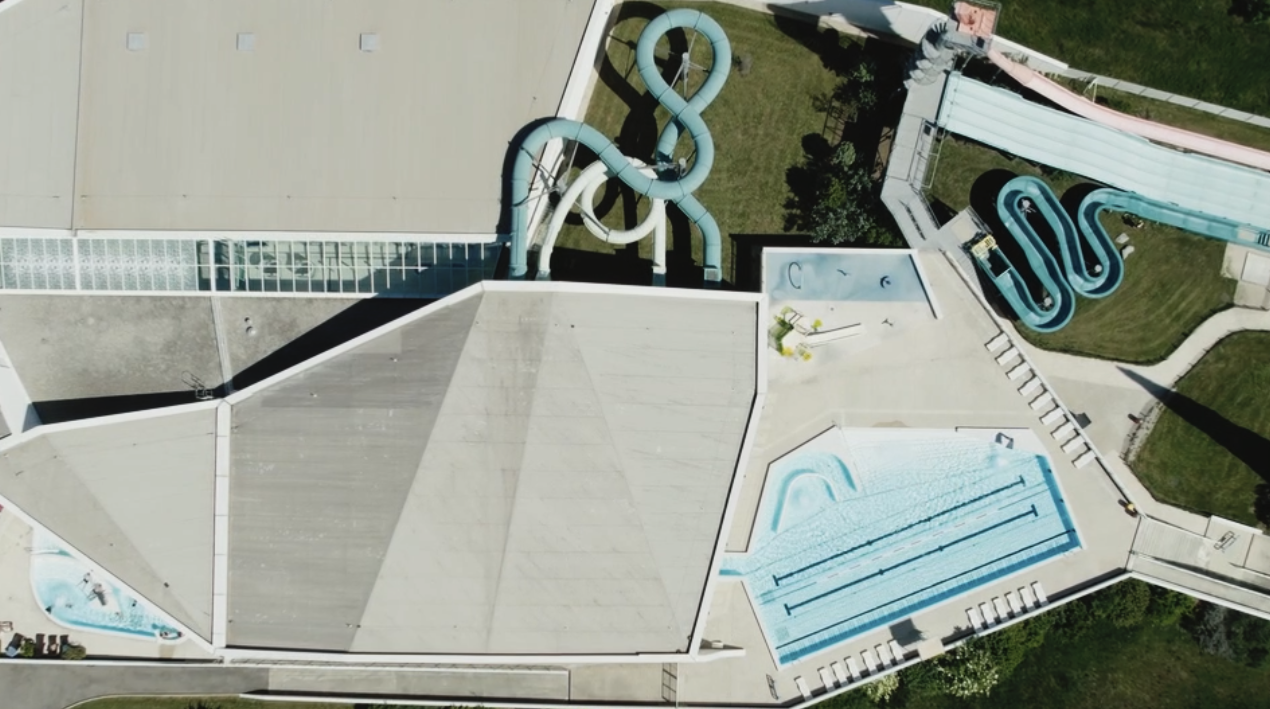
The Pool of Tomorrow is organizing its 32nd national conference on October 14, 2025, in Chartres, a city renowned for its aquatic and sports heritage.
This event will bring together public and private stakeholders around a shared ambition: to reinvent the role of swimming in contemporary society.
Discussions will revolve around four foundational pillars that will guide the exchanges and future outlook.
1. Ensuring swimming proficiency for all
Swimming proficiency is more than just a sports skill: it's a civic requirement and a safety imperative. The conference will highlight how swimming education remains uneven across the country, particularly in certain urban neighborhoods and rural areas. Various testimonies will showcase actions taken to improve access to swimming lessons, often in partnership with schools, clubs, and swimming instructors. The goal: to make water a controlled and reassuring environment where everyone can confidently develop, regardless of age, background, or journey.
2. Making water accessible, inclusive, and integrative
Water is not just a place for physical activity; it's also a factor for well-being, health, and inclusion. Presentations will highlight initiatives that promote the welcoming of people with disabilities, women, seniors, as well as new participants who discover swimming in various forms (aquagym, family recreation, therapeutic activities). The conference will also examine the economic and social dimensions of accessibility, emphasizing the need to propose sustainable models that leave no one on the sidelines.
3. Making swimming a common good and a social bond
Swimming should not be considered a luxury, but a common good, just like air, nature, or education. Through testimonials and studies, speakers will demonstrate how swimming pools and bathing areas become spaces for meeting, solidarity, and social diversity. Discussions will also focus on the importance of preserving water resources and promoting environmentally responsible management, so that this practice can continue in a context of climate change and environmental pressure.
4. Swimming at the heart of public spaces and communities
Finally, the conference will open a discussion on how to integrate swimming into urban and regional planning. Swimming pools, natural basins, developed lakes, and aquatic leisure areas are all places that contribute to the attractiveness and identity of a region. Chartres, with its tradition of highlighting the value of water in the city, perfectly illustrates this dynamic. The discussions will question the role of elected officials, developers, and citizens in embedding swimming into a long-term vision, where water becomes a driver of urban development, culture, and intergenerational connection.
A unifying event!
Through these four themes, the Chartres conference aims to move beyond the purely technical aspects of swimming pools to propose a genuine societal project. It will be about conceptualizing swimming as a right, a resource, and a collective experience that strengthens community cohesion. The Pool of Tomorrow, by bringing together all stakeholders, thus confirms its commitment to placing water at the heart of public policies.

